

The Zyadd
Standard.
Five principles that govern how a Zyadd development is planned, built and kept — design-rooted, from site strategy to the day after handover.
Context before composition.
A site is understood before it is drawn — its terrain, its neighbours, what already stands on it. At Burun A, that meant keeping a granite outcrop as landscape rather than levelling it, and letting the masterplan follow the ground rather than override it.
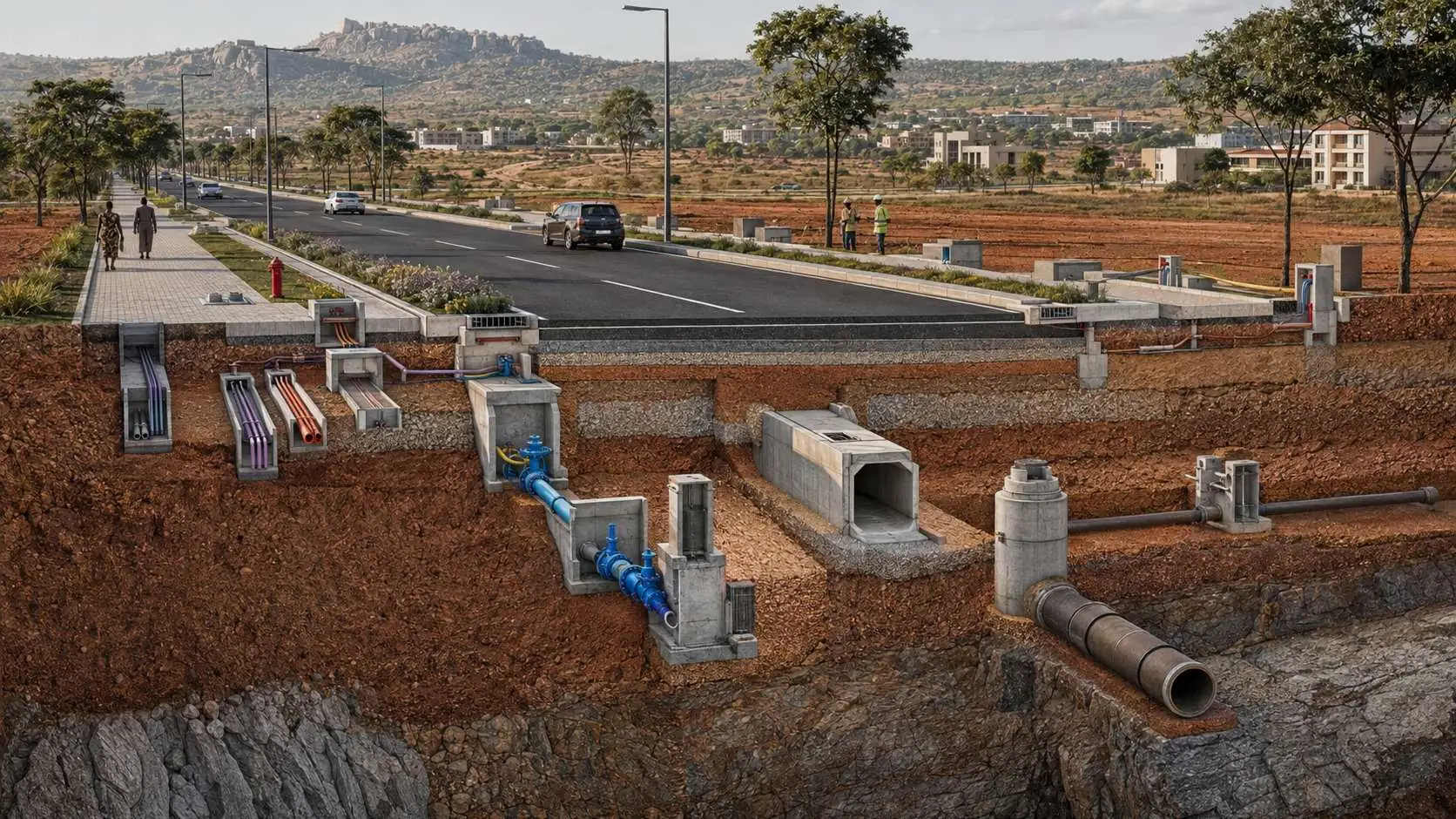
Infrastructure is part of the real-estate product.
Roads, power, water and digital infrastructure are planned as part of the district from the outset, not added once buyers arrive. A serviced plot is serviced to the boundary before it is sold.
Development itself should be designed.
Design-rooted means design influences site strategy, masterplanning, infrastructure, architecture, public realm and the products built on top of them — not a finish applied at the end.
Ambition requires control and discipline.
A single group project management office governs programme, cost and phasing across every development, so plot release is sequenced against completed infrastructure rather than promised ahead of it.
Value should continue after handover.
A design code binds every buyer, and estate management, power distribution and facilities continue long after the last plot is sold. A district is managed, not simply delivered.
Burun A is its first
complete expression.
Every principle above is visible in the district today — the outcrop kept as parkland, the road and services corridor laid ahead of plot release, the design code, the group project management office governing the programme.